
CITY OF SAN FERNANDO, Pampanga (PIA) — The Department of Social Welfare and Development (DSWD) is intensifying its convergence strategy in Central Luzon by bringing together national agencies, local government units (LGUs), and community partners to improve delivery of poverty reduction programs.
The approach aligns various interventions to ensure that families receive comprehensive and sustained support rather than isolated assistance.
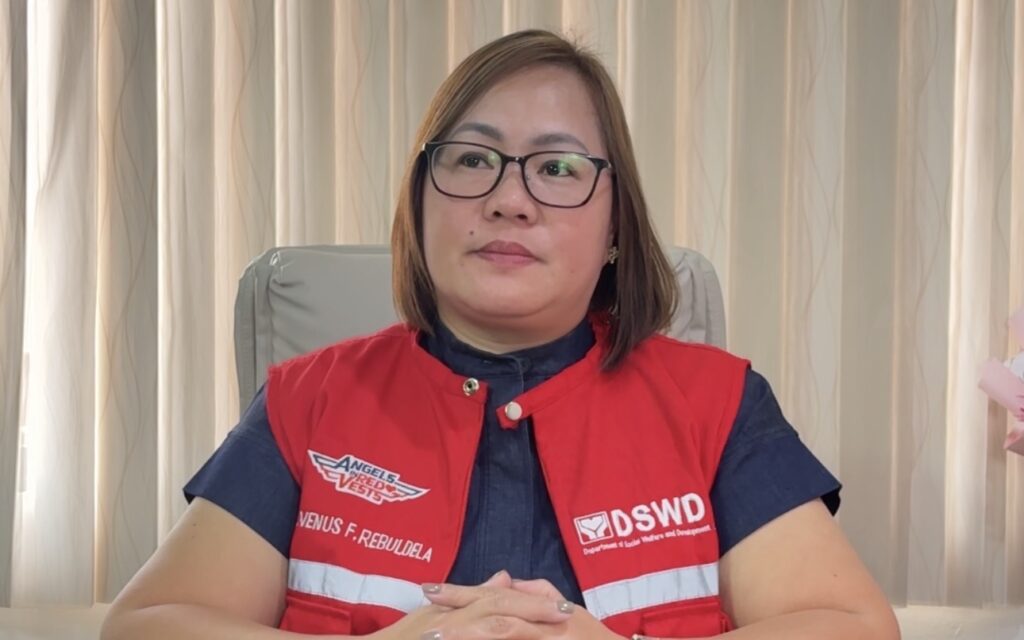
“DSWD cannot do it alone. Malaki ang papel ng local government units dahil sila ang mas nakakaalam ng sitwasyon ng kanilang mga nasasakupan,” DSWD 3 Regional Director Venus Rebuldela said.
Primary to these strategies is the integration of major programs that address different dimensions of poverty.
The Pantawid Pamilyang Pilipino Program (4Ps) provides conditional cash transfers to low-income households, requiring beneficiaries to comply with health and education conditions such as regular check-ups and school attendance.
“Hindi lang ito simpleng ayuda. May kondisyon ang 4Ps upang matiyak na napuputol ang siklo ng kahirapan sa susunod na henerasyon,” Rebuldela said.
Complementing this is the Sustainable Livelihood Program (SLP), which focuses on the developmental aspect by organizing beneficiaries into associations, providing capability-building activities, and granting financial assistance for income-generating projects.
According to the director, beneficiaries of this program may receive up to ₱30,000 each as part of group-based livelihood support.
Meanwhile, she explained that the Assistance to Individuals in Crisis Situation (AICS) serves as a social safety net, offering financial assistance for medical, burial, and other emergency needs to prevent families from falling deeper into poverty during times of crisis.
DSWD also implements community-driven development programs such as KALAHI-CIDSS, which empower communities to identify priority projects and participate in local development planning.
Through convergence, these programs are delivered in a coordinated manner, allowing beneficiaries to access multiple forms of support, from immediate relief to long-term economic opportunities.
“Pinagsasama-sama natin ang ating resources para masigurong tuluy-tuloy ang pag-angat ng ating mga benepisyaryo,” Rebuldela added.
She noted that convergence is embedded in the implementation of 4Ps, where various government agencies are required to work together to provide complementary services to beneficiaries.
To further strengthen program effectiveness, Rebuldela shared that the agency is partnering with state universities and colleges to conduct impact assessments, including ongoing studies on the outcomes of the Sustainable Livelihood Program.
These findings will guide future policy development and program improvements.
The director said the coordinated approach helps maximize limited resources, avoid duplication of efforts, and ensure that interventions are responsive to the actual needs of communities.
“Sa pamamagitan ng pagtutulungan ng iba’t ibang ahensya, mas napapalawak natin ang ating kakayahan na matulungan ang mas maraming pamilya,” the official said.
DSWD reaffirmed its commitment to sustain partnerships with LGUs and other stakeholders to ensure that poverty reduction efforts remain inclusive, efficient, and impactful. (CLJD/MJSC, PIA Region 3-Pampanga)