
As candles flicker over forgotten graves and prayers rise above flooded pathways, the kampo santo becomes more than a place of remembrance. It becomes a mirror of the living.
Across the public cemeteries of Candaba, City of San Fernando, Mexico, Santa Ana, Minalin, and Macabebe, my students documented the realities of burial grounds left neglected, submerged in floodwaters, and seemingly forgotten. Through their lenses, they uncovered stories that extend beyond the solemn observance of All Souls’ Day: stories of dignity denied, memories left vulnerable, and a collective responsibility we must not abandon.

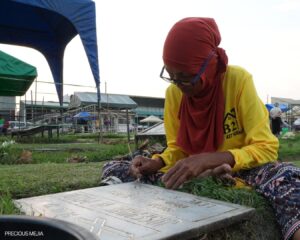
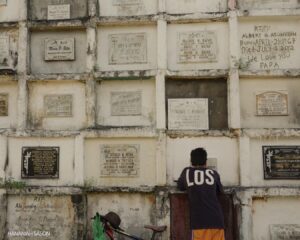
A cemetery is sacred ground. Beneath every name etched in stone lies a life once cherished, a family once whole, and a story that continues to live in the hearts of those left behind. Yet, in some of Pampanga’s public cemeteries, the resting places of our departed remain exposed to neglect and the recurring threat of flooding. Tombs stand amid murky waters, pathways disappear beneath the flood, and the passage of time seems to have buried not only the dead, but also the attention they deserve.
The dead can no longer ask for better resting places. They cannot call for help when floodwaters rise or when their graves are forgotten. It is the responsibility of the living to ensure that their final resting places remain worthy of the lives they once lived.
This is where the deeper meaning of remembrance begins.
Beyond the flowers, candles, and prayers of All Souls’ Day, there must be a genuine commitment to care. Respect for the dead must transcend tradition and become a continuing act of compassion, preservation, and accountability. For the dignity of the departed is inseparable from the humanity of those who remain.
I take immense pride in my students, whose visual storytelling went beyond the requirements of an academic exercise. They approached these cemeteries with sensitivity, courage, and a profound sense of responsibility. They chose to look where others might turn away, to document what is often overlooked, and to tell stories that demand not only to be seen, but to be felt.
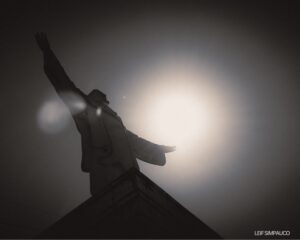
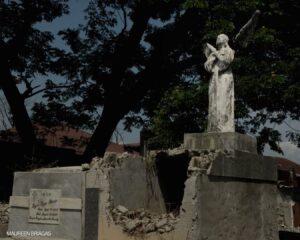

Their photographs are not simply records of neglect. They are acts of remembrance. They are quiet testimonies to the lives that came before us and urgent reminders of the responsibility we carry today. In every frame, they demonstrated that journalism is not merely about capturing what is visible, but recognizing the humanity behind what is often ignored.
This All Souls’ Day, may we remember that the dead deserve more than a day of flowers and prayers. They deserve dignified resting places, protected memories, and the enduring respect of the communities they once called home.
For the living, remembrance is a choice. Responsibility is its truest expression.
The dead may be beyond our reach, but their dignity remains in our hands.